
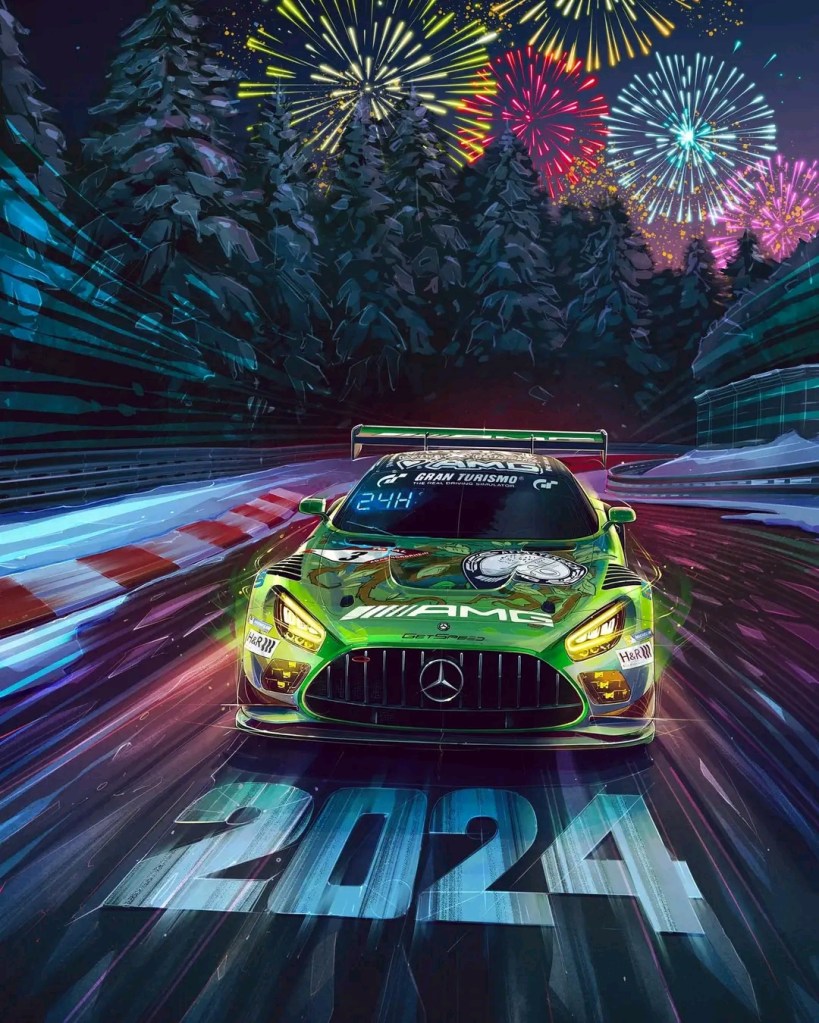
HAPPY NEW YEAR TO MERCEDES LOVERS
While the SSC Tuatara can do 295 mph, it’s not even close to being the fastest model on this ultimate list of supercars and hypercars
By WEIRD CARS TEAM
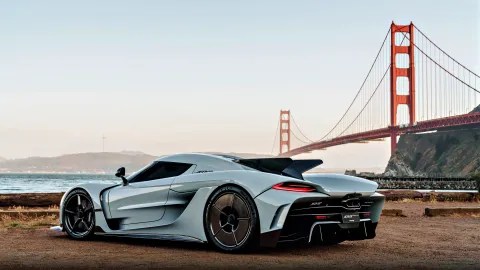
The first production car with a recorded speed was the 1894 Benz Velo which had a top speed of just 12 mph. Few verified records exist from that point until around 1950 when the Jaguar XK120 set a production car speed record of 124.6 mph (not to be confused with the tuned prototype that managed to hit 133 mph) From this point on, it became a trend for automotive publications to do their own top speed test.
Even the venerable McLaren F1 was tested by Car and Driver, and in 2005 we got our first government-official speed record set by the Bugatti Veyron EB 16.4 and verified by German inspection officials in 2005. It was that moment when the official challenge between manufacturers kicked off, and since then there have only been a handful of cars up to breaking the record. This list covers the top 12 fastest cars in the world, ranked from slowest to fastest.
Updated June 2023: The automotive world is changing constantly, and every day there are more and more cars, some of which are built to break records. For example, just at the end of 2022, the Rimac Nevera became the fastest EV in the world, after it hit a top speed of 258 mph. This result also put it on the same list with the fastest supercars in the world, but it’s not the only car that belongs on this list, and we’ve spilled the beans below with the 22 fastest cars in the world!
Data and stats for this mega list on ‘The Fastest Cars In The World’ were gathered from a combination of sources including automaker press pages, and other reputed websites like Car And Driver, Top Speed and MotorTrend.
22. B ENGINEERING EDONIS
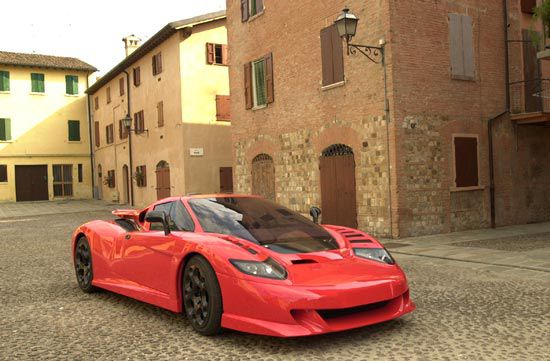
Top Speed: 227 Mph
B Engineering Edonis is one of the more obscure vehicles on the list. It’s based on the Bugatti EB110 Super Sport from the 1990s but with a heavily-redesigned exterior and interior. The carbon-fiber chassis was a complete carry-over from the EB110 SS, but the engine and drivetrain were reworked. Bugatti’s 3.5-liter V-12 grew to 3.8 liters and the quad-turbo setup was slapped for a twin-turbos.
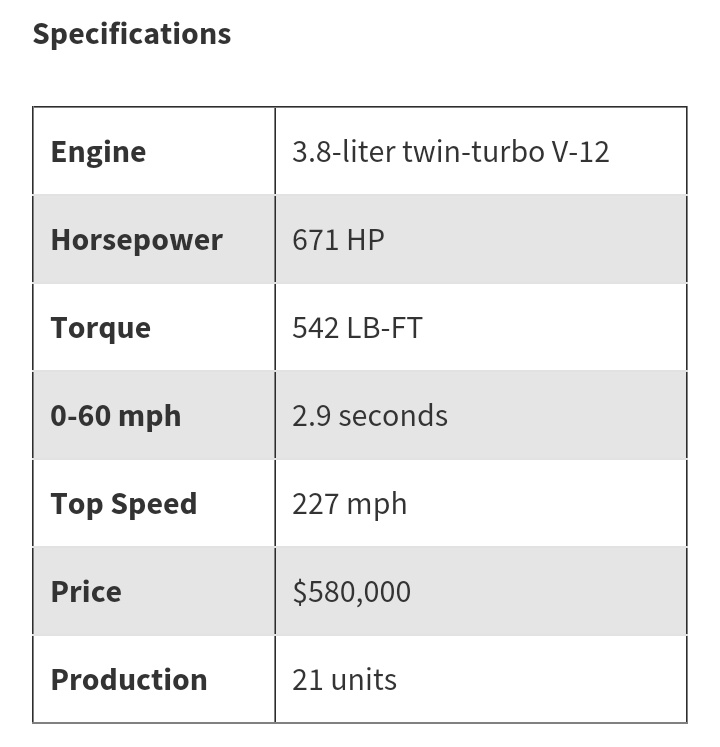
The all-wheel-drive system was ditched, meaning power now went to the rear wheels only. The B Engineering Edonis has a claimed top speed of 227 mph (365 km/h), but the highest top speed achieved in real life was 222.4 mph (359.6 km/h). The 0 to 60 mph (97 km/h) time was said to be 3.9 seconds, which is almost 0.8 seconds slower than the all-wheel drive EB110 SS.
21. BUGATTI EB110 SS DAUER LIGHTWEIGHT
Top Speed: 230 Mph
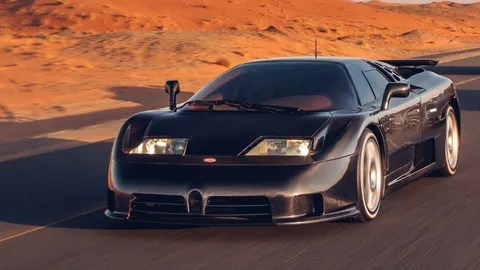
The 1991 Bugatti EB110 commemorated the 110th anniversary of Ettore Bugatti – the brand’s founder. The brand itself struggled, on numerous occasions, and in the 1990s, it was owned by Romano Artioli. The EB110 was the only Bugatti made under his ownership. After the company went bankrupt, the German tuner house, Dauer Sportwagen, bought all Bugatti assets, including the remaining cars that were never assembled.
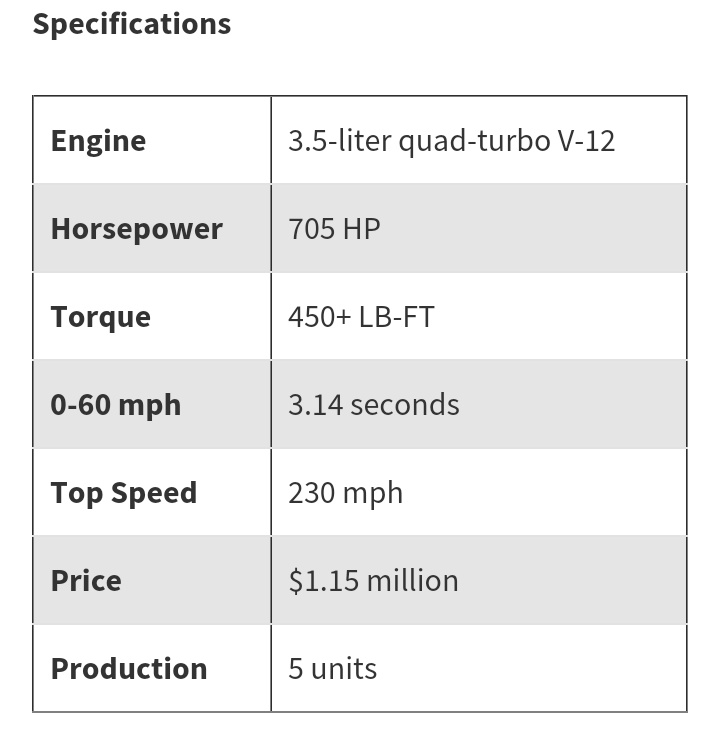
Dauer further developed the EB110 SS, creating five models that were entirely made of carbon fiber. The engine was also tweaked so, it now made 705 horsepower. The 0 to 60 mph time was identical to the regular EB110 SS, but the top speed was now 230 mph (370 km/h). Jochen Dauer even claimed that 250 mph (402 km/h) was possible, but that was never verified.
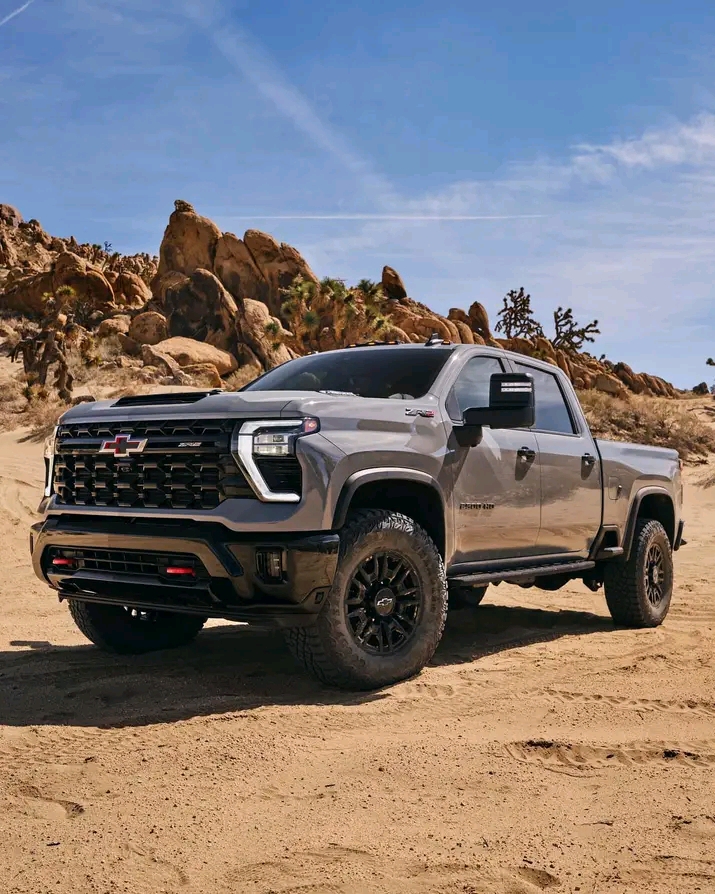
The ZR2 family is complete! Introducing the First-Ever 2024 Silverado HD ZR2.
2024 BMW X5, X6 M Competition | Manufacturer image
By Kijoma Pius|
22,02,2023
Share
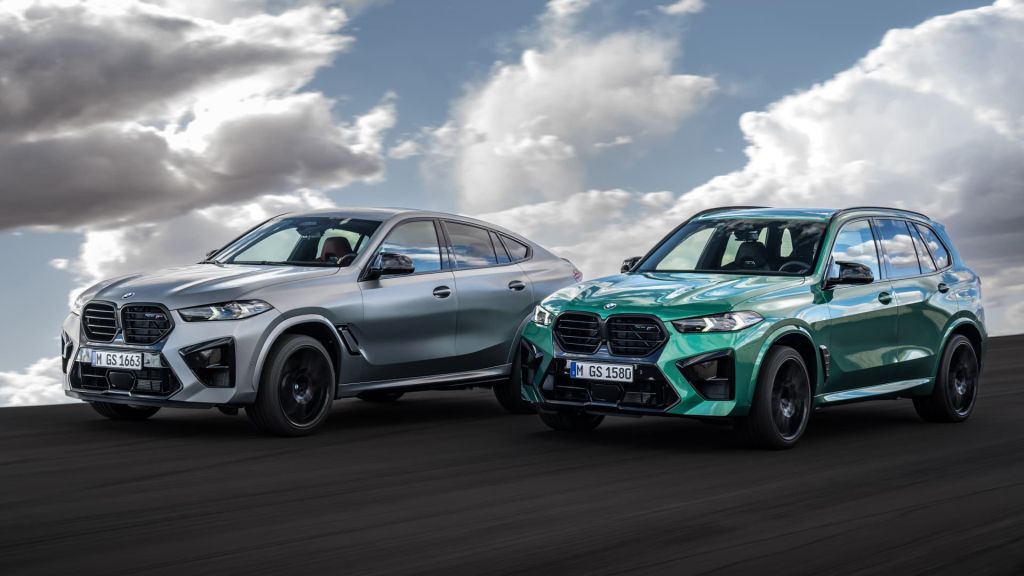
Following a significant refresh for its mid-size X5 and X6 SUVs, BMW has turned its attention to their performance-oriented M counterparts. For 2024, the Competition Package, which adds 17 horsepower and some aesthetic accents, is not only standard on the X5 M and X6 M, it’s also the only variant available. The pair also offer many of the updates seen on the non-M models, including new mild-hybrid technology and a curved touchscreen display with BMW’s latest iDrive 8 operating system. While the SUVs’ specs carry over largely unchanged, BMW says several performance improvements will be realized behind the wheel.
Electrified V-8 Brings Familiar Power
2024 BMW X5, X6 M Competition | Manufacturer image
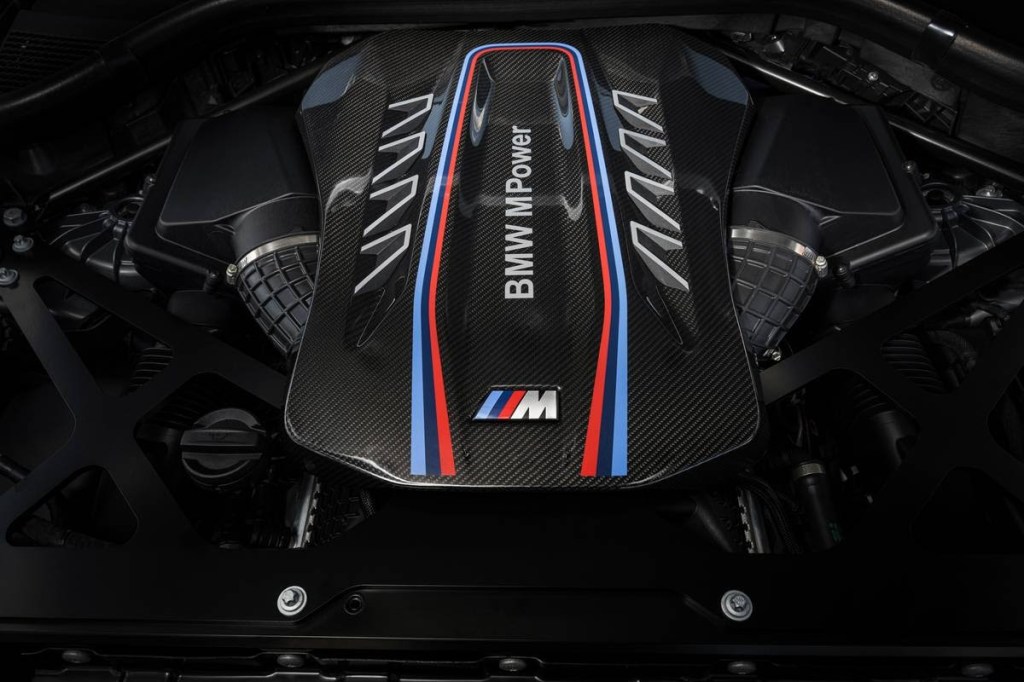
The X5 and X6 M Competitions are the first of BMW’s M lineup to gain the mild-hybrid tech shared with the upcoming X5 and X6 and already found on vehicles like the 2023 X7 SUV and 7 Series sedan. The M Competition SUVs’ twin-turbo 4.4-liter V-8 engine is updated with an electric motor and a 48-volt battery, but it retains its maximum power and torque ratings of 617 horses and 553 pounds-feet, respectively. Also unchanged is the 0-60 mph time of 3.7 seconds and a top speed of 155 mph, which can be bumped to 177 mph with the optional M Driver’s Package.
The Competition Heats Up
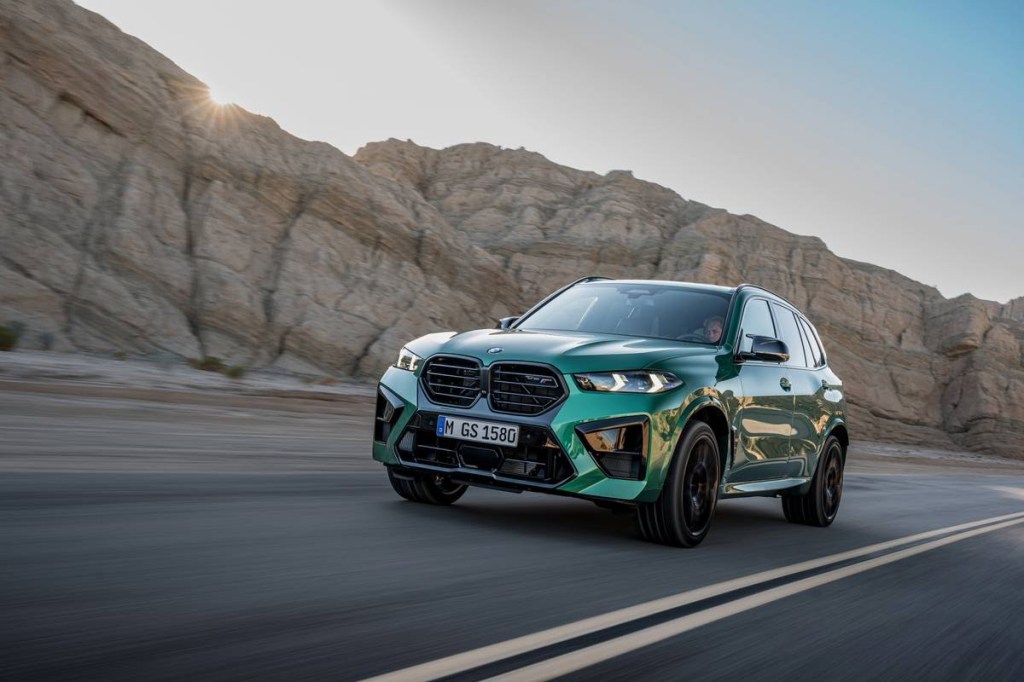
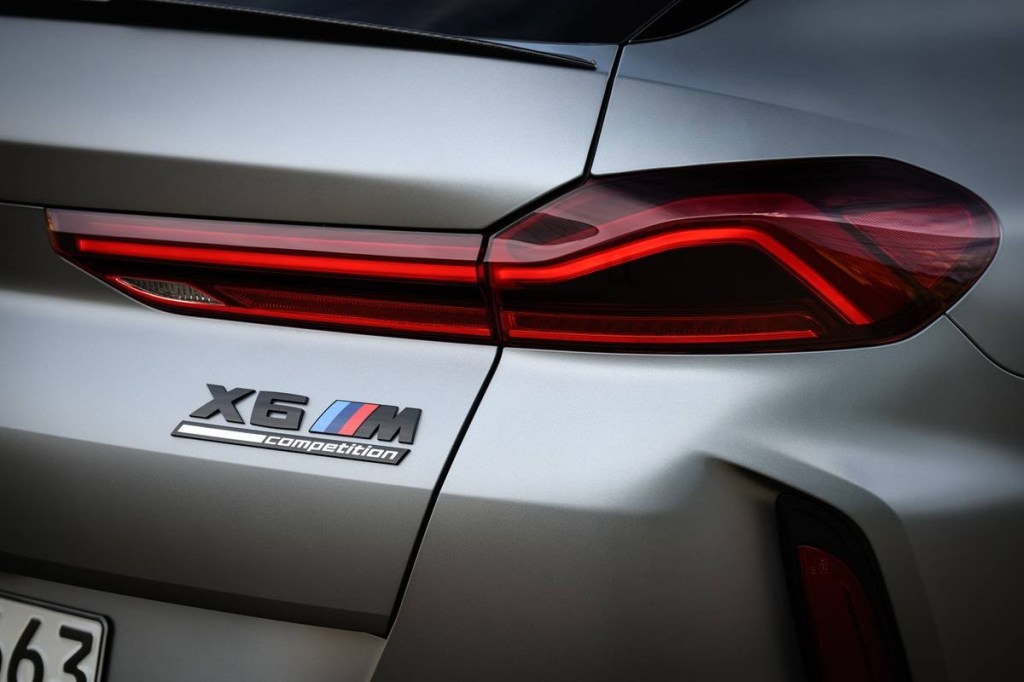
The exterior elements that set the outgoing M Competition SUVs apart from the standard models include larger lower air intakes, blacked-out grilles, large rear diffusers and quad exhaust pipes. The 2024 models feature additional black trim for the grille surround, mirror caps, rear diffuser and tailpipes. A refreshed front end sports narrower headlights, larger badging on the all-black kidney grille and an X-shaped feature formed by the grille and lower air intake. The X6 adds a lip spoiler that improves aerodynamics, says BMW, while the X5 gets a new L-shaped taillight design shared with other models
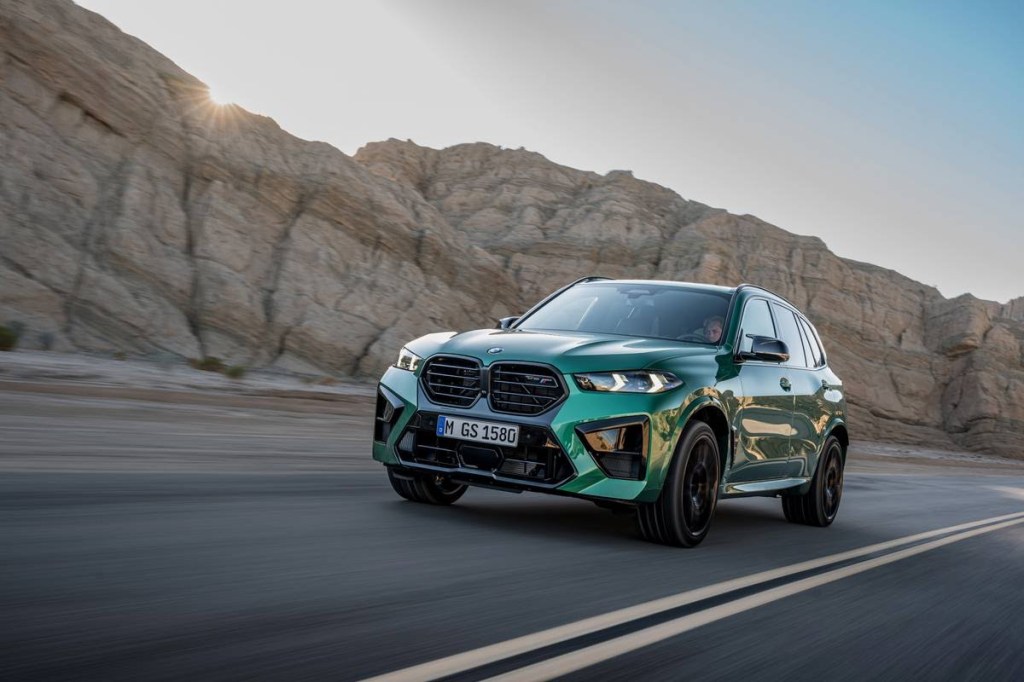
The M Competition models once again ride on staggered 21-inch front wheels and 22-inch rear wheels wrapped in performance tires. A trio of new metallic exterior paint colors is added for 2024, which will allow shoppers to choose from a palette of 50 different paint finishes.
New Tech Hits the Big Screen
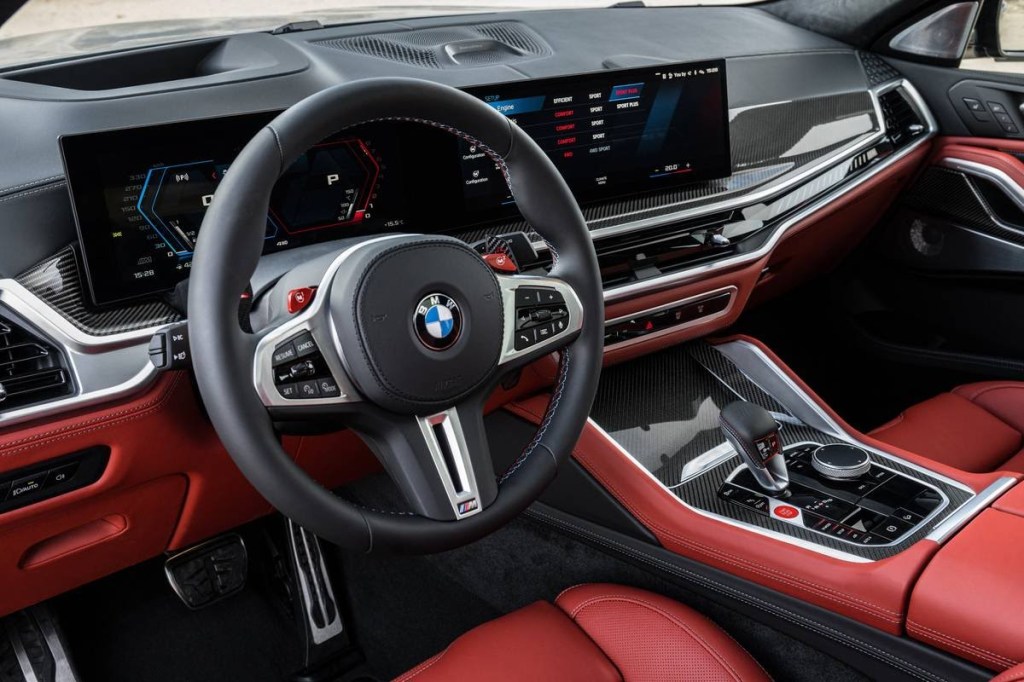
More notable than the exterior refinements is the new technology found inside. The SUVs are the latest to get BMW’s single curved display screen that combines a 12.3-inch digital gauge cluster and 14.9-inch center touchscreen, and it replaces the outgoing dual 12.3-inch units. The system runs on BMW’s latest iDrive 8 system with an M-specific interface, and the company says it’s been optimized for touch controls and voice recognition, meaning fewer physical buttons. Interestingly, while BMW has recently removed gesture controls from the standard X5 and X3, it’s standard in the updated X5 and X6 M Competitions (for now, anyway).
Among the SUVs’ driver-assist and safety tech is the standard Parking Assistant Package, which now bundles reverse assistant and a maneuver assist. The reverse assistant stores steering movements for tight spaces and can automatically recreate them in Reverse for distances of up to roughly 650 feet; maneuver assist records up to 10 different maneuvers covering up to a similar distance each, allowing the driver to replicate them from the car or remotely through their iPhone.Other changes inside include a slimmer instrument panel, air vents that are narrower and less visible on the instrument panel, an ambient LED light bar with an alert function for incoming calls, new carbon-fiber gearshift paddles and color combinations for the standard Merino leather upholstery.
Pricing and Release Date
The 2024 X5 M Competition starts at $123,295 (including a $995 destination fee), up $4,100 over 2023, while the X6 M Competition starts at $128,195, up $4,200. The X5 and X6 M Competitions rival performance SUVs that include the Jaguar F-Pace SVR (which starts at $90,775), Mercedes-AMG GLE63 S ($121,050), and Porsche Cayenne Turbo ($137,350). Production for the refreshed X5 and X6 M Competitions is expected to begin in April.
Today, the Xiaomi community officially posted several renderings of the Xiaomi electric car M1. It is created by a Xiaomi community user, “Mo Fei.”
By KIJOMA PIUS |7th,September 2021
In appearance, the Xiaomi electric car M1 adopts a streamlined body design. It looks simple and stylish, and the wheels have a unique texture. So if the upcoming model has a similar look, it will be quite easy to attract new customers.
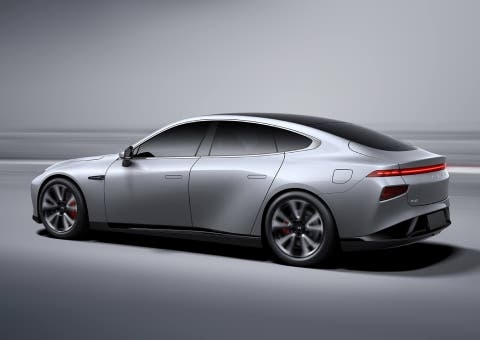
As for configuration, the Xiaomi electric car M1 will run the MIUI For Car system. The latter will provide an intelligent control, automatic assisted driving, Xiao Ai voice assistant, a large holographic central control screen, etc. Also, charging for 5 minutes, the battery life can reach 1,000 kilometers.
Although this is just the Xiaomi electric car in the imagination of “Mo Fei”, who says that such a bold imagination won’t inspire designers. Moreover, we guess other users will create their own renders as well.
Xiaomi Car Project
In March of this year, Xiaomi CEO Lei Jun officially announced its entry into the smart electric vehicle industry. At the special event, the company said that it will invest 10 billion US dollars in the next 10 years

Lei Jun said that Xiaomi Auto is the last major entrepreneurial project in his life. He added that at this time he is willing to crush all his reputation and fight for the Xiaomi car idea.
Lei Jun said that ‘Xiaomi has a large project and has prepared $10 billion.’ So there is every reason to think Xiaomi has sufficient funds to invest in building cars. The latest financial report shows that in 2020 its annual revenue was 245.9 billion yuan ($37.59 billion). Plus, its cash reserves exceed 100 billion yuan ($15.29 billion).
Interestingly, in the group photo of the core team of Xiaomi cars shown by Lei Jun, we saw the chief designer of the exterior of the BMW iX model. Thus simply means that the Xiaomi cars may have the quality of a luxury brand.
Lastly, recently, we heard that China Evergrande Group is in talks with Xiaomi to sell 65% of its electric vehicle division. Of course, the negotiations are still at an early stage. But there is no smoke without fire.
FOR MORE INFO
Visit. https://www.facebook.com/weird.cars
About the Author:

KIJOMA PIUS. Cars Enthusiast
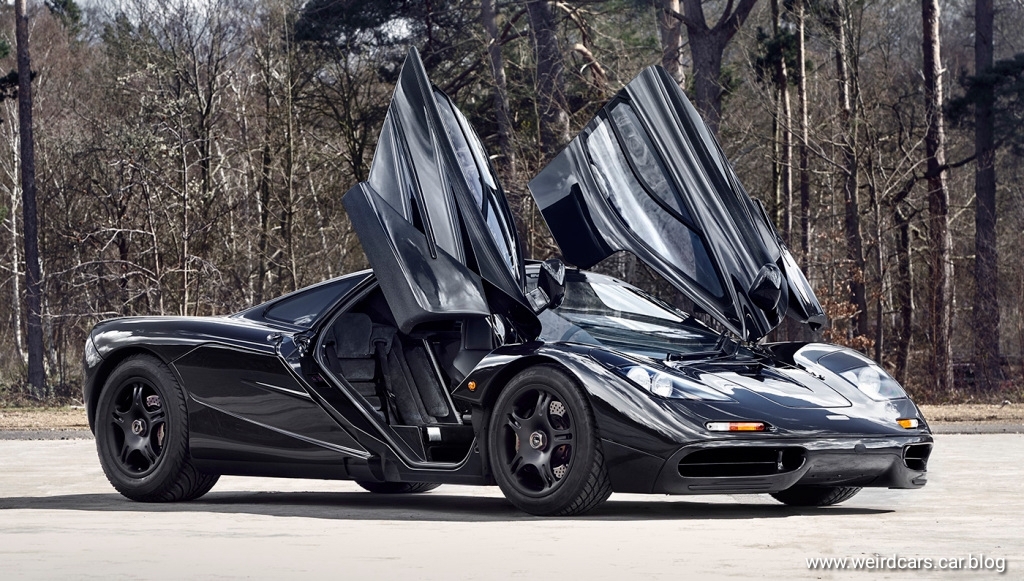
The McLaren F1 was unveiled in May 1992 and was the company’s first road-going production car. The idea was born in the late 1980s, when Gordon Murray, the technical director of McLaren’s Formula One, began sketching the F1 as a three-seat supercar. Appointed as head of McLaren Cars in 1991, Murray convinced Ron Dennis to build the vehicle and played a key role in the design of the F1. It was unlike any other supercar launched up to that point. It had a race-inspired design, a three-seat configuration with the driver seat in the middle, and a comfortable ride for a vehicle of its kind. It was also the first production car to use a carbon-fiber monocoque chassis and the first to bring high-tech and expensive materials such as titanium, magnesium, Kevlar, and gold under the same roof.
BY KIJOMA PIUS |12/July 2021
Not only powerful and quick, the F1 was also the world’s fastest production car. Its record endured from 1992 until 2005, when Bugatti unleashed the ludicrous Veyron. The F1 spawned a couple of special-edition models such as the LM and the GT, but it was also used as a base for the GTR race car. Essentially a standard F1 with aerodynamic improvements, the GTR went on to win the 24 Hours of Le Mans in its first year on the race track.
Some 25 years have passed since its introduction and the F1 is already considered a classic. Usually changing owners for millions of dollars, the F1 is one of the very few multi-million-dollar supercars built in the 1990s.
EXTERIOR
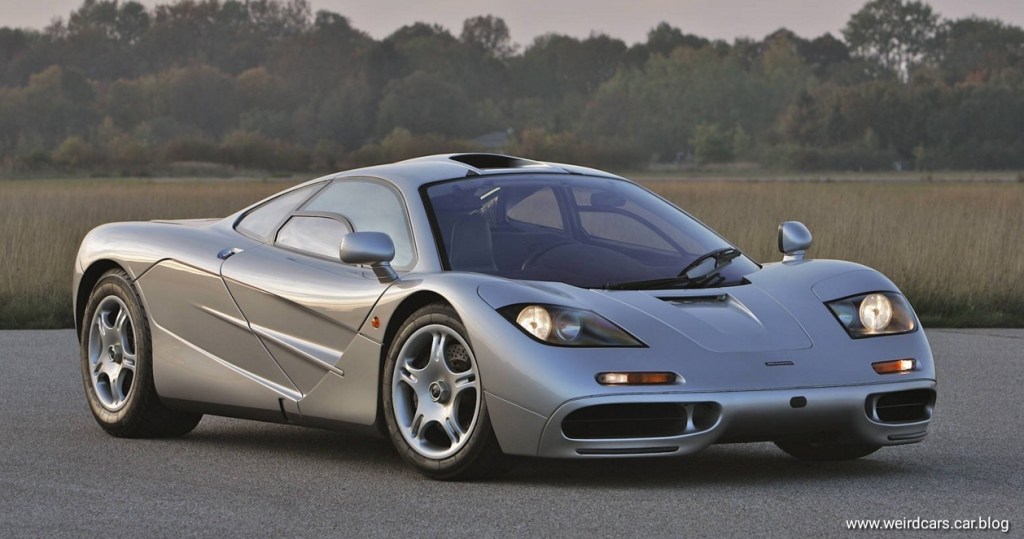
Inspired by prototype race cars, the styling of the F1 was somewhat in line with early 1990s supercars
Inspired by prototype race cars, the styling of the F1 was somewhat in line with early 1990s supercars: it had a short front hood, a canopy-like roof, large doors, and a long rear deck. However, while similar vehicles from Lamborghini, Ferrari, and Bugatti were still using wedge-type cues reminiscent of the 1980s, the F1 had a more rounded design similar to the Le Mans prototypes of the era.
The headlamps were placed high on the front fenders and the turn signals and daytime running lights flanked the nose. Underneath, there were two large intakes that fed air to the front brakes.The gullwing doors, the opening side panels, and the swoopy waistline made the supercar look like a Transformers vehicle.
The F1 looked even more spectacular from the side. The gullwing doors, the opening side panels, and the swoopy waistline made the supercar look like a Transformers vehicle, while the lack of a rear wing gave it a clean, classy profile.
The rear fascia was pretty old-school, with big round taillights, a massive grille between them, and eight smaller mesh intakes underneath. The diffuser was rather subtle, while the quad-pipe exhaust was mounted in the center. The roof’s fin-like element and the long deck lid gave it a race-inspired, unique appearance. Design-wise, the F1 had a certain degree of elegance that other supercars from the era didn’t offer.
INTERIOR
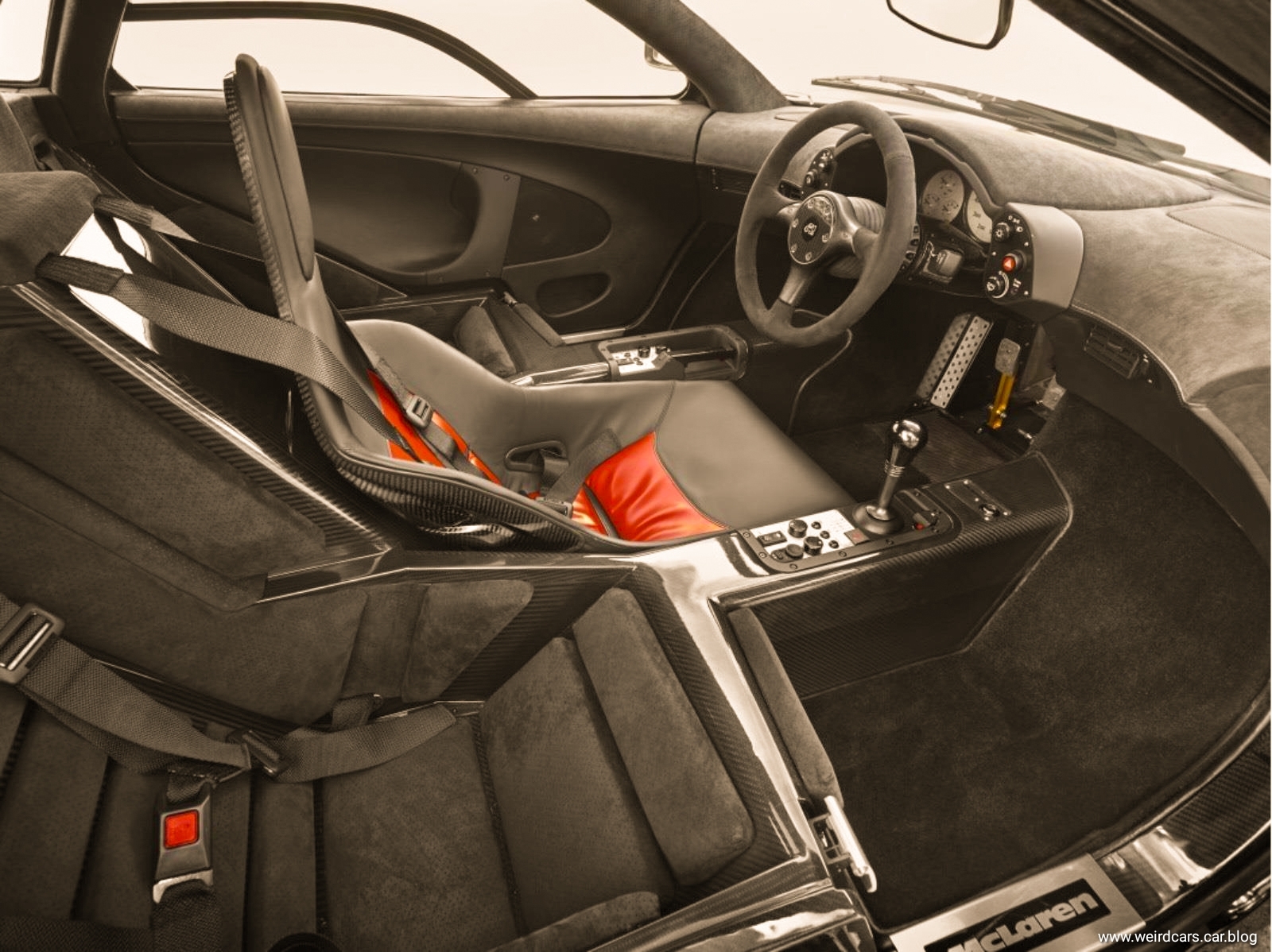
Arguably the most mind-blowing feature of the F1 was its three-seat configuration. The driver’s seat was placed in the middle, flanked by to passenger seats mounted a few inches toward the rear. This solution offered the driver a Formula One-like position and made the F1 the first supercar to seat three people instead of only two. This feature is basically impossible to use nowadays due to safety restrictions and likely a complicated airbag system and continues to keep the F1 unique in this regard.
Due to the seat arrangement, the dashboard had a symmetric design with the steering wheel and the instrument panel right in the middle. Naturally, the pedals were also place in the middle of the cockpit, leaving room for the passengers on the left and right. The driver’s was flaked by two thin consoles which housed several controls. The gear shifter was placed on the right, while the handbrake lever was mounted on the left. Also, the driver’s seat had a race-inspired design, whereas the the two additional seats had a simpler, yet still sporty configuration.
Due to the seat arrangement, the dashboard had a symmetric design with the steering wheel and the instrument panel right in the middle. Naturally, the pedals were also place in the middle of the cockpit, leaving room for the passengers on the left and right. The driver’s was flaked by two thin consoles which housed several controls. The gear shifter was placed on the right, while the handbrake lever was mounted on the left. Also, the driver’s seat had a race-inspired design, whereas the the two additional seats had a simpler, yet still sporty configuration.
McLaren also offered tailored luggage bags specially designed to fit the vehicle’s carpeted storage compartments in the rear fenders. Standard features also included a tailored golf bag and a special-edition TAG Heuer 6000 Chronometer wristwatch with its serial number scripted below the center stem.
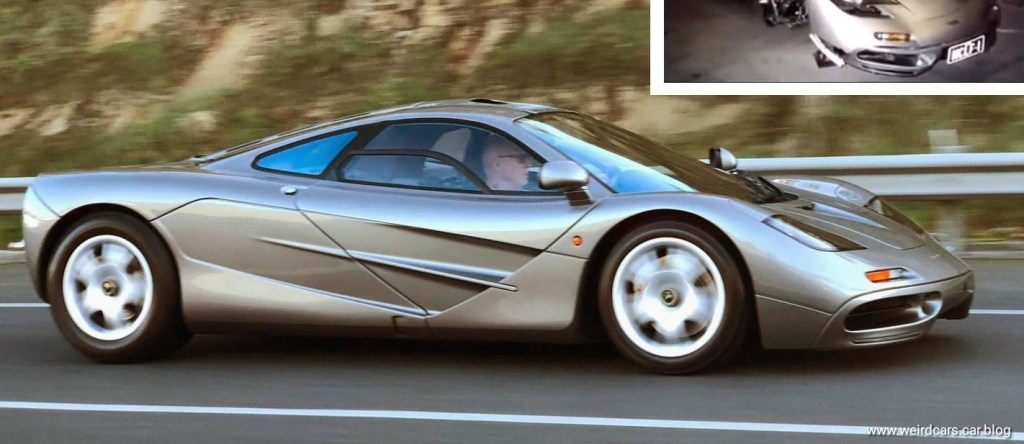
Because the F1 was also designed for comfort and to appeal to rich customers looking for a luxurious ride, the floor was covered in soft carpet, while most of the surfaces were wrapped in leather. Carbon-fiber and aluminum, was also used throughout the cockpit.
The F1 also had a full cabin air conditioning, a rarity on most sports cars in the early 1990s, SeKurit electric defrost/demist windscreen and side glass, electric windows, remote central locking system, and a Kenwood 10-disc CD stereo system. The latter was a lightweight unit specifically developed for the F1.
The massive output and the lower curb weight made the F1 the quickest supercars of its era. The sprint from 0 to 60 mph came in just 3.2 seconds, while charging to 100 mph took a scant 6.3 ticks. It also needed only 28 seconds to hit 200 mph from a standing start. Its top speed was even more impressive at 231 mph, but this was the result of an electronic limiter due to safety concerns. The F1 was actually capable of more and in 1992 set a new world record at 240.1 mph, smashing the previous benchmark by a whopping 28 mph. During a private test in 1998, the F1 hit 243 mph with Andy Wallace behind the wheel.
The supercar rides on a double wishbone suspension system that was benchmarked to that of the Jaguar XJR16, Porsche 928S and Honda NSX. The steering knuckles and the top wishbone/bell crank were specially manufactured in an aluminium alloy, while the wishbones were machined from a solid aluminium alloy with CNC machines.
The lightweight wheels came wrapped in specially designed tires created exclusively for the F1 by Goodyear and Michelin. Stopping power came from unassisted, vented, and cross-drilled brake discs and aluminum calipers made by Brembo. Gordon Murray initially wanted to utilize carbon-fiber brakes for the supercar, but found the technology not mature enough. Carbon-ceramic brakes were later used in the GTR race car.
PRICE
The McLaren F1 was priced from $815,000 back in 1992 (around $1.4 million in 2016), which made it hugely more expensive than other supercars. But despite the steep sticker, McLaren had no issues selling the 71 road cars it built until 1998. It worth noting that 64 were regular F1s, while five were LM-spec models based on the GTR race car and two were GT versions based on the GTR “Longtail.” McLaren also built 28 GTRs and seven prototypes for a total production run of 107 units.
Although the F1 isn’t even three decades old as of 2016, it fetches large amounts of cash at auctions. In recent years, several models changed owners for more than $3 million. Several records were set in recent years, starting with a $8.5 million sale in 2013. In 2014, an example previously owned by former IndyCar champion Michael Andretti was privately traded for around $10.5 million. In 2015, Rowan Atkinson, also known as “Mr. Bean,” wanted $12 million for his F1.
COMPETITION
1).Bugatti EB110
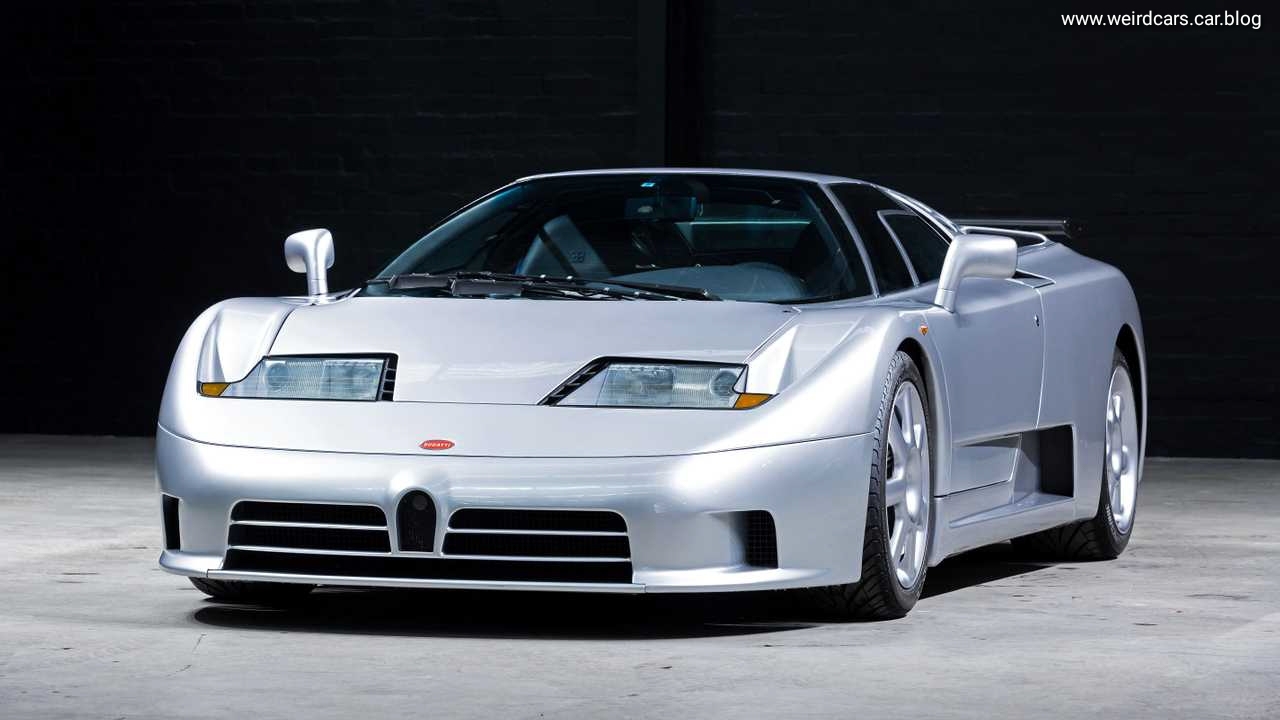
The EB110 was introduced in 1991, one year ahead of the F1, as the first Bugatti model since 1962. Developed and sold by Bugatti Automobili, which was created by Romano Artioli who purchased the Bugatti brand, the EB110 was an ambitious project that didn’t really catch on and drove the company into bankruptcy four years later. Despite this, Bugatti managed to build 139 units, including the beefed-up SS model and even a motorsport version. Powered by a quad-turbo, 3.5-liter V-12, the EB110 had 552 horsepower at its disposal and needed around 3.3 seconds to hit 60 mph toward a top speed of 213 mph. The SS was more powerful at 603 horsepower, but still lacked the F1’s tremendous top speed, being capable of only 216 mph. Pricing began from around $350,000, significantly less than a F1.
2). Jaguar XJ220
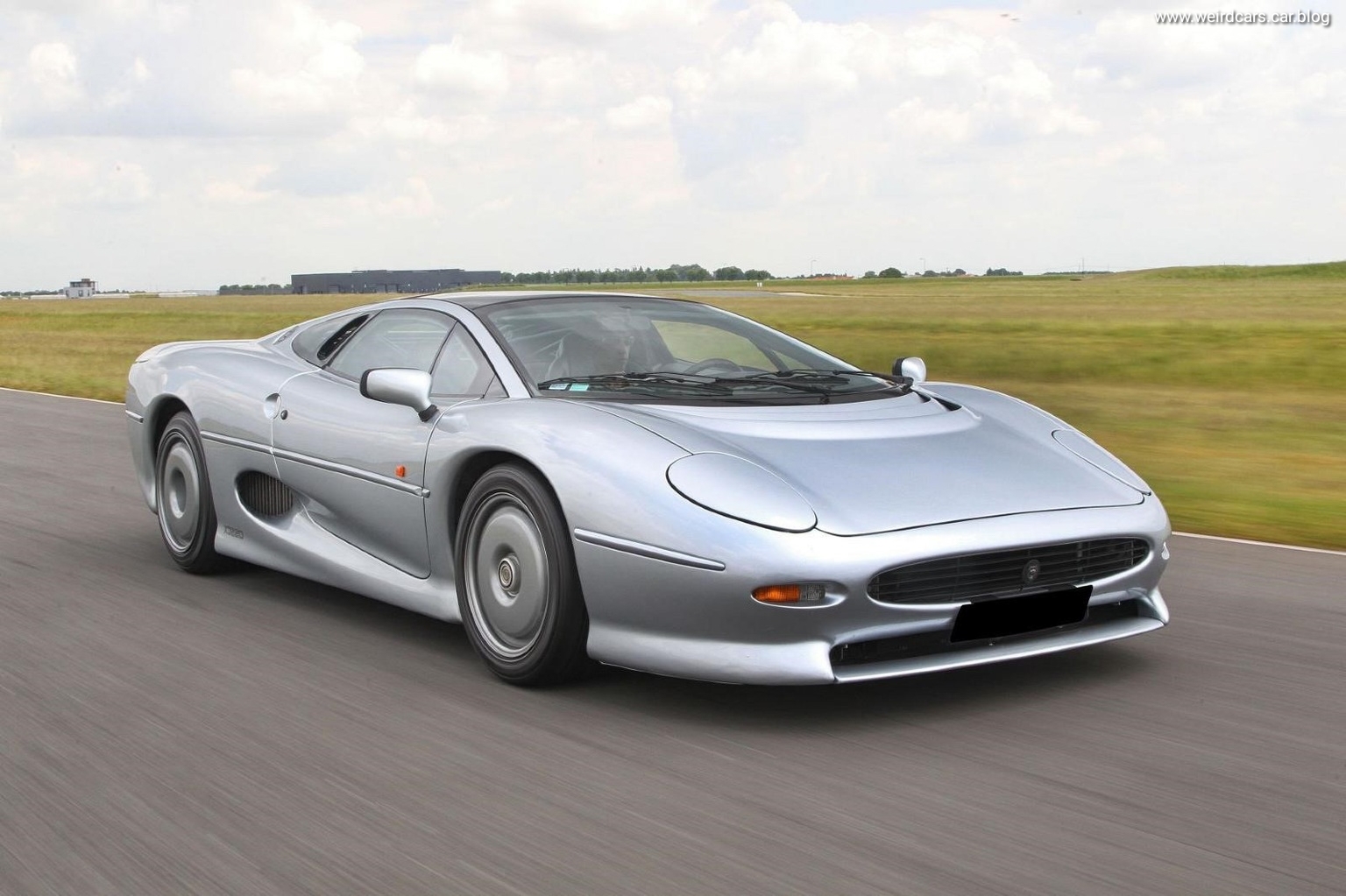
The XJ220 was yet another ambitious project of the early 1990s. Launched in 1992 as a two-seater, luxury supercar, the XJ220 had a sleek, prototype-like design and a rich interior featuring the finest leathers available at the time. Unlike the F1 and EB110, the Jag came with a twin-turbo, 3.5-liter V-6, despite original plans to offer it with a race-spec, TWR-designed V-12. Similar to the powerplant in the MG Metro 6R4 rally car, the V-6 was good for 540 horsepower and 475 pound-feet of torque and enabled the XJ220 to accelerate from 0 to 60 mph in 3.6 seconds. Its top speed stood at 217 mph with the rev limiter, but Jaguar set a 223-mph record wihtout it just before McLaren launched the F1. The British firm produced 271 cars before production ended in 1994. The supercar retailed from £460,000.
CONCLUSION.
If I were to put together a Top 10 Supercars from the 1990s, the McLaren F1 would most definitely be No. 1. This supercar has everything it needs to be the best vehicle of its decade. It was powerful, it was fast, and had an unprecedented amount of pioneering technology in its construction. The F1 marked the beginning of new era for supercars, as most manufacturers used it as a benchmark for future products. The F1 made Ferraris seem outdated back in the day and held the record for the world’s fastest production car for no fewer than 12 years. The fact that it spawned a successful race car that was only a mild update over the road car makes it that much better. All told, its current million-dollar sticker speaks volumes of the legend it created since day one!
By: Kijoma Pius |Weird cars
MCLAREN F1 AN ICONIC CAR AND FASTEST OF 90s
By KIJOMA PIUS |31,January 2021
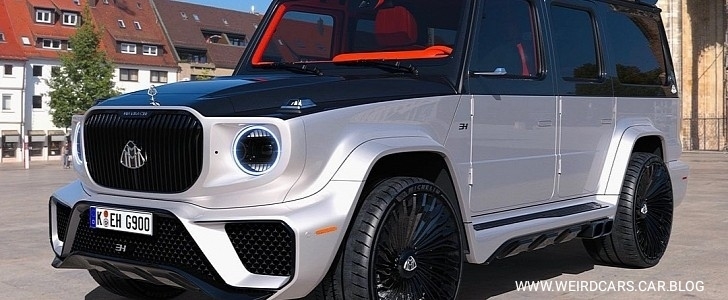
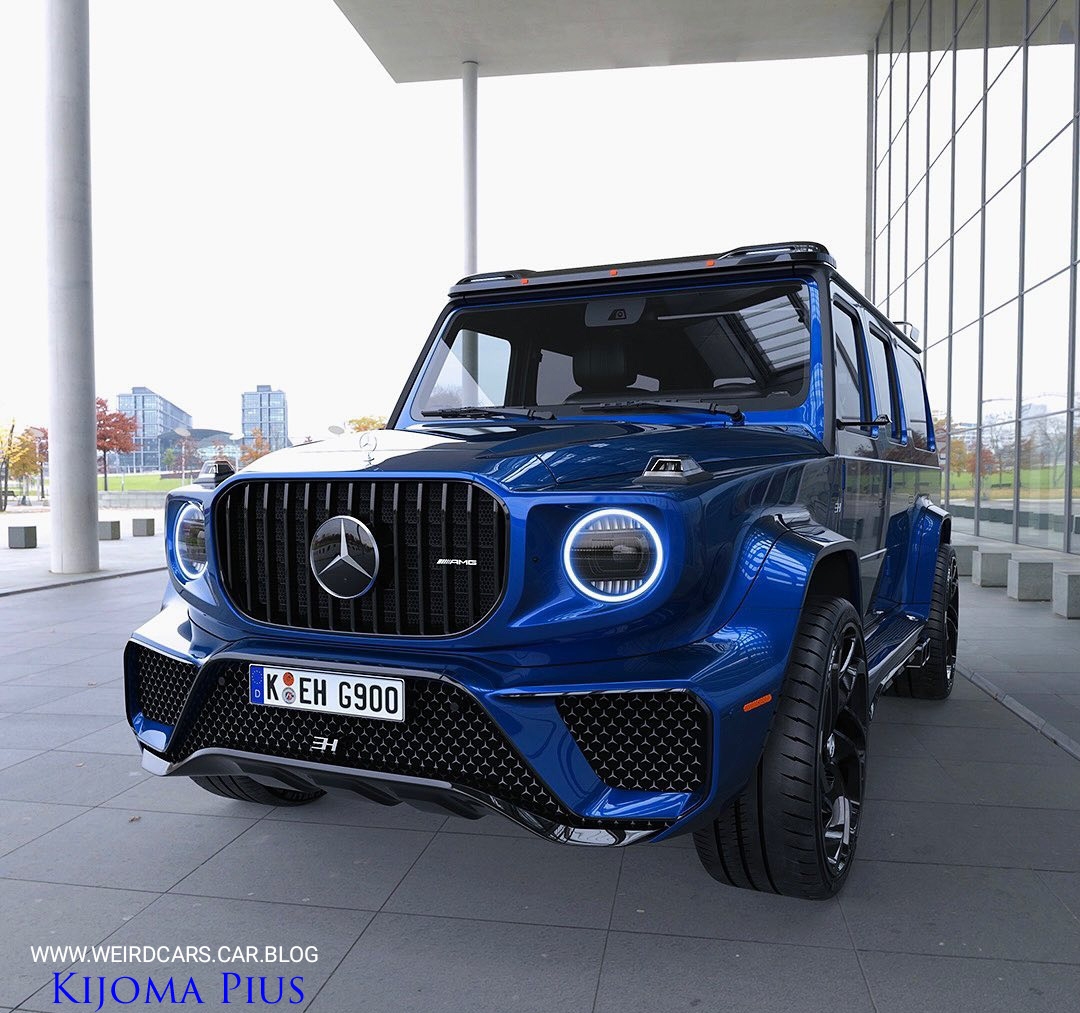
There’s not a lot of things the Mercedes-AMG G63 can’t do, but with an unlimited budget, it could theoretically be turned into a Maybach luxury vehicle. This is such a good idea that we don’t understand why it’s not in production already.
At first glance, Maybach is doing nothing more than asking obscene amounts of money for a Mercedes S-Class. But that’s not what’s going on. The brand is deeply aspirational and responsible for some seriously insane machines, ranging from $2 million limos to a one-off roadster that measured something like 19 feet.
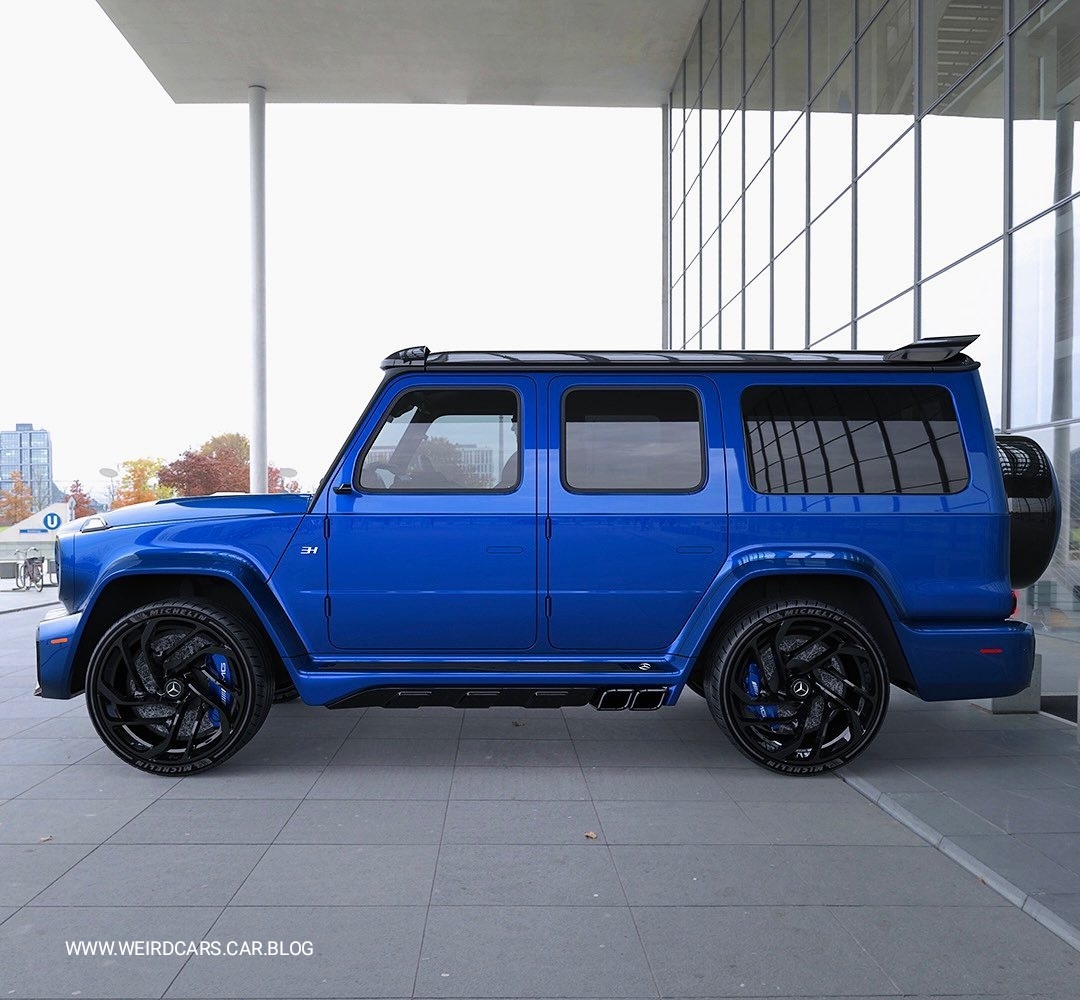
And it’s not like they ignored SUVs either. Maybach’s G650 Landaulet is still one of the coolest G-Class conversions, plus they’re putting the GLS 600 into production. But we feel that this independent study is even more amazing.
3D modeler Emre Husmen just released this bad boy, and it’s sure to become famous on Pinterest and social media. He also calls it an AMG, but we feel that the Maybach G900 name fits better for a couple of reasons, the first one being the ‘style.’
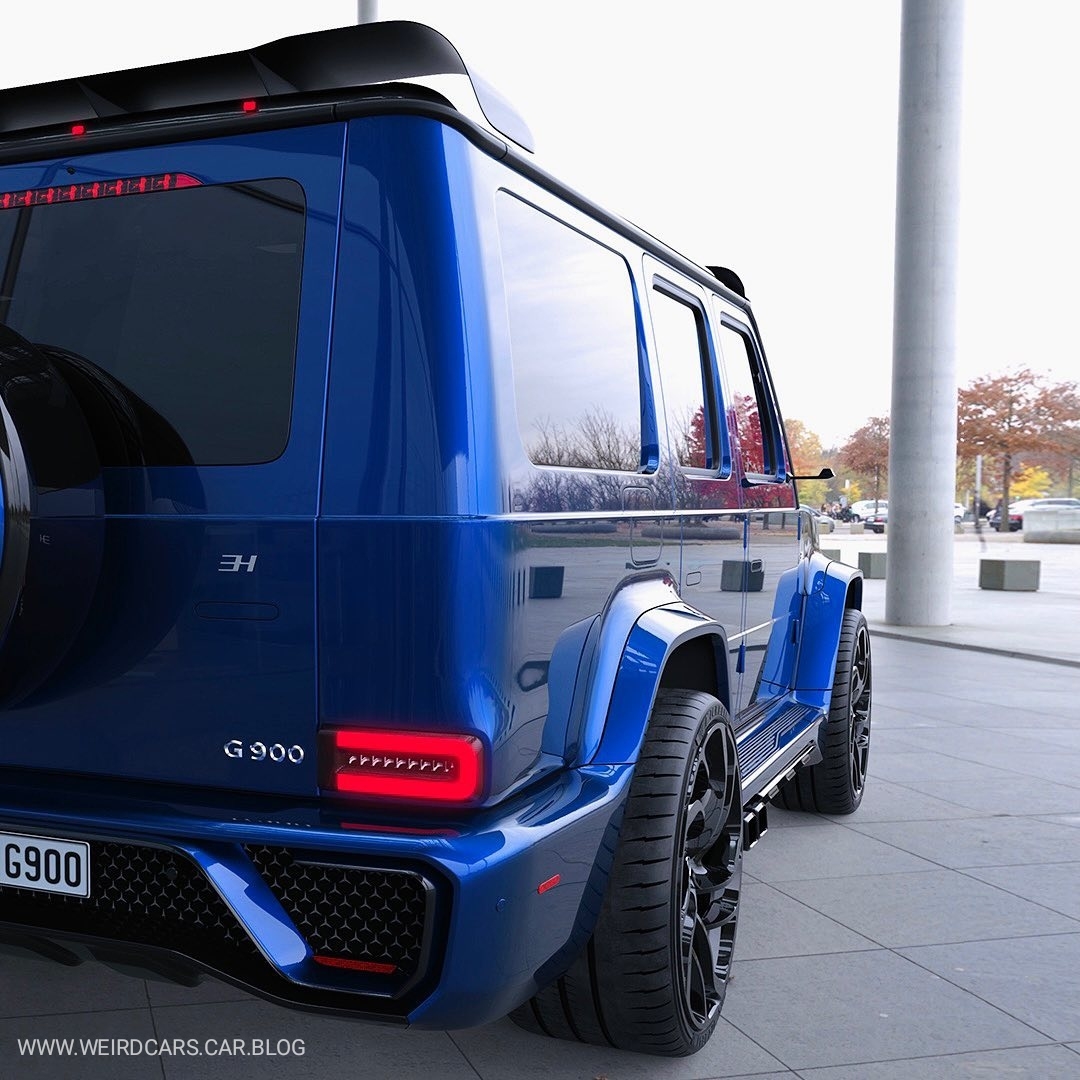
There’s a new front end that integrates more car-like grilles. The bottom part looks like it belongs to an older E63 AMG, while the main grille is inspired by the Vision Mercedes-Maybach Ultimate Luxury concept, which was their first incursion into the world of SUVs. In any case, everything seems a little less jagged and edgy, just what you want when expressing opulence in a rugged package.
The digital study is also almost a foot longer than before to accommodate another two seats. While this would make it more practical, most people who spend upwards of $200,000 probably don’t want to be that crowded. Tell us if you prefer the AMG version or the Maybach and show the artist some appreciation as well.
Thanks to
A road map to auto industry ownership and partnerships
By: Kijoma Pius
The auto industry has a very confusing family tree. The past decade has seen partnerships, sales, separations, bankruptcies, and entire divisions killed off, making it difficult to keep up with who owns which car brands.

As automakers have slimmed down to become more profitable and efficient, we have seen storied names, such as Mercury, Oldsmobile, and Pontiac, fade into the history books. We have seen others, such as Chrysler, Jaguar, and Volvo, find new corporate parents, often outside their original country. And new companies have risen, such as Rivian and Tesla.
To help clear up some of the confusion, we present a road map to who owns which car brands sold in the U.S.
Several brands that have been retired are included in the list, such as Scion, because models are still available on the used-car market. We have omitted small-volume brands, such as Aston Martin and Ferrari, that are without major automaker parent companies.
Most brand names link to brand pages, where you will find links to current and past road tests.
Of course, the list is subject to change. To find out how the major brands compare in reliability, owner satisfaction, and road-test performance, see our brand report cards.
GUIDE TO CAR BRANDS
Here we list each major car brand and its parent corporation, including some retired brands whose products are still readily available as used cars
Brand: Car company
Acura : Honda Motor Company
Alfa romeo : Fiat Chrysler Automobiles
Audi: Volkswagen Group
BMW : BMW Group
Bentley :Volkswagen Group
Buick: General Motors
Cadillac: General Motors
Chevrolet: General Motors
Chrysler : Fiat Chrysler Automobiles
Dodge : Fiat Chrysler Automobiles
Fiat : Fiat Chrysler Automobiles
Ford: Ford Motor Co.
GMC: General Motors
Genesis : Hyundai Motor Group
Honda : Honda Motor Co.
Hyundai: Hyundai Motor Group
Infiniti: Renault-Nissan-Mitsubishi Alliance
Jaguar : Tata Motors
Jeep: Fiat Chrysler Automobiles
KIA: Hyundai Motor Group
Land Rover : Tata Motors
Lexus: Toyota Motor Corp.
Lincoln : Ford Motor Co.
Lotus : Zhejiang Geely Holding Group
Maserati: Fiat Chrysler Automobiles
Mazda: Mazda Motor Corp
Mercedes-Benz : Daimler AG
Mercury *: Ford Motor Co.
Mini: BMW Group
Mitsubishi: Renault-Nissan-Mitsubishi Alliance
Nikola: Nikola Motor Company, with a supply relationship with General Motors.
Nissan : Renault-Nissan-Mitsubishi Alliance
Polestar : Zhejiang Geely Holding Group
Pontiac *: General Motors
Porsche : Volkswagen Group: Ram: Fiat Chrysler Automobiles
Rivian : Rivian Automotive, with investments from Amazon and Ford, among others.
Rolls Royce : BMW Group
Saab: brand owned by Saab AB; assets owned by National Electric Vehicle Sweden
Saturn *: General Motors
Scion *: Toyota Motor Corp.
Smart : Daimler AG
Subaru: Subaru Corp.
Suzuki*: Suzuki Motor Corp. Owns a small stake in Toyota.
Tesla : Tesla Inc.
Toyota : Toyota Motor Corp.
Volkswagen: Volkswagen Group
Volvo : Zhejiang Geely Holding Group

*Retired brand, but many are still sold as used cars.
Guide to Car Corporations
Here’s a list the major car corporations that sell in the U.S. and the brands they currently offer here
Parent Company owns Brand
Bmw group owns BMW, Mini, and Rolls-Royce.
Daimler AGowns Mercedes-Benz and Smart.
Fiat Chrysler Automobiles owns Alfa Romeo, Chrysler, Dodge, Fiat, Jeep, Maserati, and Ram. FCA is merging with Peugeot S.A. (aka PSA), who owns Citroen, DS Automobiles, Peugeot, Opel, and Vauxhall. The new corporate name will be Stellantis, although the brand names will remain unchanged.
Ford Motors Co. owns Ford and Lincoln.
General Motors owns Buick, Cadillac, Chevrolet, and GMC. Hummer has returned as a GMC sub-brand. GM has agreed to supply fuel-cells to Nikola. (It has canceled the previous investment and the arrangement to build the Badger pickup truck.)
Honda Motor Co. owns Acura and Honda.
Hyundai Motor Group owns Genesis, Hyundai, and Kia.
Mazda motor corp. owns Mazda.
Renault-Nissan – Mitsubish_Alliance owns Infiniti, Mitsubishi, and Nissan.
Stellantis is the new corporation formed from the Fiat Chrysler Automobiles and Peugeot S.A. merger. The name is explained as being rooted in the Latin verb “stello” meaning “to brighten with stars.”
Subaru Corp. owns Subaru.
Tata motors owns Jaguar and Land Rover.
Tesla Inc. owns Tesla.
Toyota motors corp. owns Lexus and Toyota. And it has a stake in Subaru and Suzuki. Volkswagen group owns Audi, Bentley, Bugatti, Lamborghini, Porsche, and Volkswagen.
Zhejiang Geely holdings group (ZGH) owns Lotus, Polestar, and Volvo.
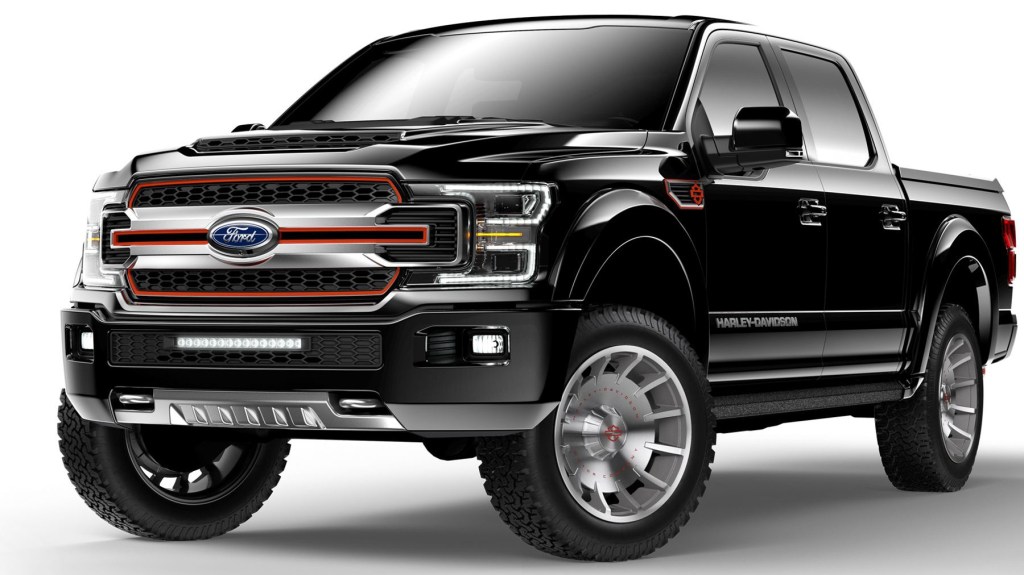
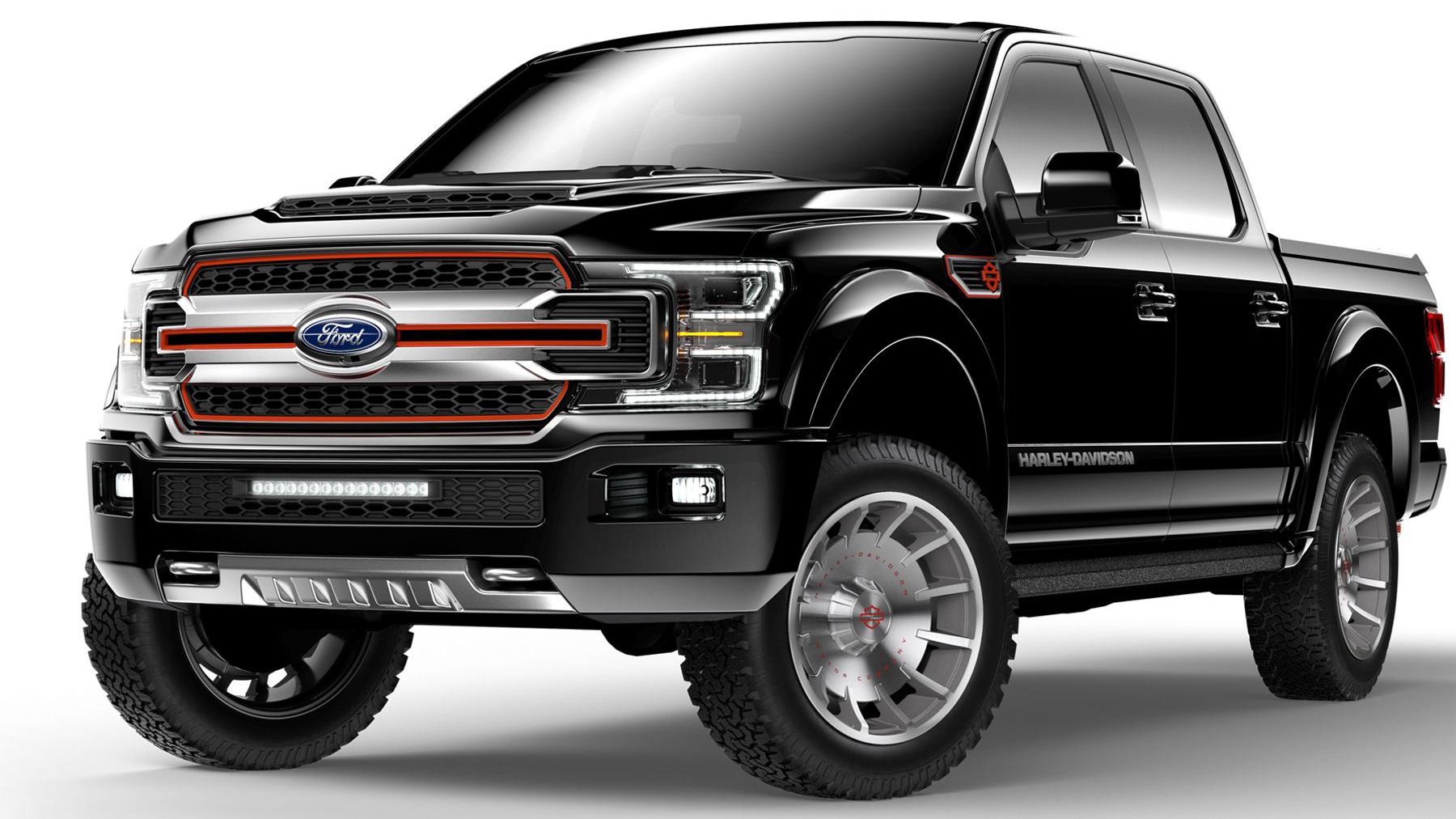
The Ford F-150 is one of the most fun-lending pickups you can go for in the US. But for those underwhelmed even by the massive Ecoboost V6 engine, Ford offers something more powerful in the store. The Harley-Davidson Edition is the trim for the few who want the most powerful and exquisite pickup to roll off a production line, and the one for 2020 Raptor has just been unveiled at the 2020 Chicago Auto Show.
If the Raptor lives up to its namesake, then the Harley-Davidson Edition is a T-Rex. This baby packs in a whopping 700 hp thanks to its Coyote 5.0L V8 engine backed up by an Eaton 2.65L supercharger. If those specs sound familiar, it is because they stand very much identical to the awesome Shelby GT500.
And that’s not all. The Ford F-150 Harley-Davidson Edition also features a high-flow filter, aluminum intercooler, upgraded fuel injectors, and a high-flow exhaust.The power is not the only thing that has been enhanced. The truck also features handling upgrades like a BDS-tuned suspension, Fox shocks, and 22-inch wheels with a similar design that you would find in a Harley-Davidson Fatboy. Though the official performance specs are not out yet, we expect it will easily beat its GMC Sierra competitor tuned by the same workforce at the Tuscany Motor Company.
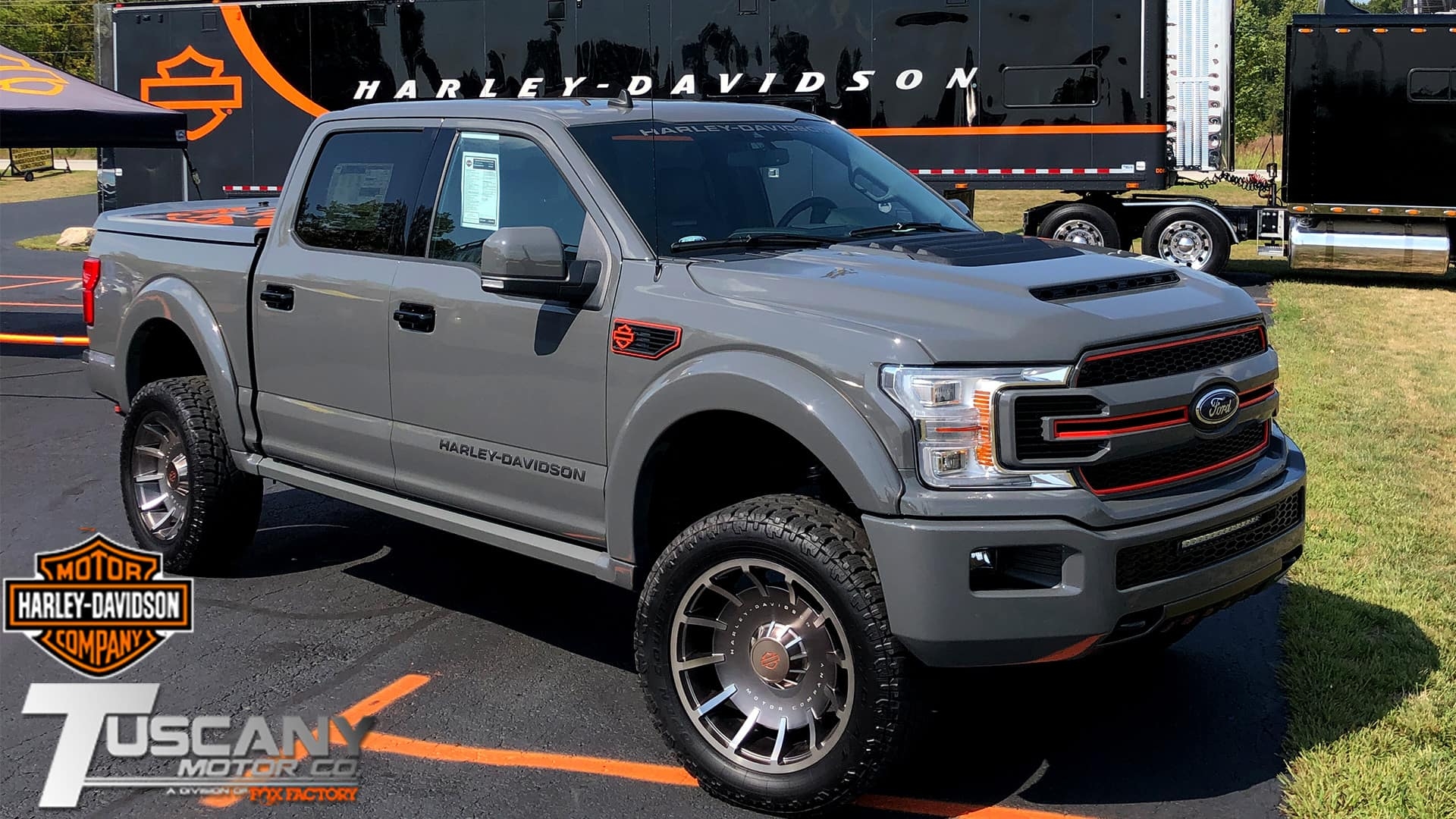
The exterior is meant to reflect that this is no ordinary F-150. At the front, you’ll notice a dark honeycomb grille and an LED bar embedded in the bumper. The taillights have been redesigned as well. All over the truck, there is plenty of Harley-Davidson badging. It finds its way on several spots in the cabin, too. Inside the truck, several features distinguish it from the regular F-150. There is black-and-orange leather upholstery for the seats and dash, while the dash and interior panels receive an Alcantara upgrade.
By Kijoma Pius|wed 28 October 2020

Can you withstand a 1471bhp-per-tonne slicks and wings special from Bugatti?
It’s a question we’ve all figuratively asked but never thought we’d get answered: what would happen if Bugatti made an extreme track-only, lightweight hypercar? Wonder no more. This is the Bugatti Bolide – Molsheim’s 1,842bhp, 1,240kg downforcetastic love letter to bleeding-edge engineering and organ-bruising lap times. 5m 23.1s around the Nordschleife kinda lap times. Yikes. That’s not all, in a low downforce setting Bugatti claims the Bolide could also do more than 310mph. And thanks to all-wheel-drive, can also shoot from 0-62mph in 2.17 seconds. So no matter how you like your fast served, the Bolide will dish it up. We just hope you’re hungry.
It follows on from the current vogue for high end can’t-drive-on-the-road, can’t-race-in-a-championship hypercar track toys. Y’know, things like Aston Martin’s Valkyrie, McLaren’s Senna GTR, the Mercedes Project One and Ferrari FXXK. Just like them, the Bolide uses the modern race car’s recipe of minimal weight and maximum downforce. But then takes the concept of a track-only hypercar to another level, by pairing those ingredients with an absolute juggernaut of an engine.
Nestled snuggly in the heart of a carbon fibre monocoque is the same 8.0-litre, quad-turbo W16 unit we’ve come to know and love from Bugatti. But where it comes with 1,479bhp in a standard Chiron and 1,578bhp in the production version of the record-setting Chiron Super Sport 300+, the Bolide boots the doors down with 1,842bhp when running 110 octane racing fuel. It’s also got a lot less weight to push around. Thanks to a fighter-jet inspired design wrapped around a skeletal structure, the thing only weighs 1,240kg – 100kg lighter than a Porsche Cayman GT4. Some quick maths equates that to an insane power-to-weight ratio of 1,471bhp per tonne. Which is a truly monstrous figure when you compare it to the then jaw-dropping 644bhp per tonne that left us speechless with the Veyron SS a decade ago.

We’re told Bolide is a rolling concept to be used for future technology and it’s taken Bugatti’s engineers just eight months to churn out. Talk about a productive lockdown. Yep, instead of feeling guilty about not doing Joe Wicks’ workout, Bugatti’s biggest brains hopped on Zoom and decided to blow the top off blue-sky thinking to try and get into another stratosphere of fast. How? Through the use of exotic materials, no rules and brain-melting ideas. It looks like they’ve succeeded.Let’s start with the power. To get that extra oomph over standard, engineers bolted four new turbochargers with new optimised blades to make the engine build more boost pressure and power at higher engine speeds. At 7,000rpm the W16 now produces 1,842bhp and 1,364lb ft of torque. But more power and torque means more energy, and therefore more heat, so the whole oil and cooling systems have also been redesigned – including the introduction of air-to-air intercooling with water pre-cooling, rather than the standard water-to-air. And as there’s a lot more speed to scrub off before going into corners, new hybrid carbon titanium turbofan radial compressors ventilate and cool F1-style racing brakes finished with ceramic discs and coatings.
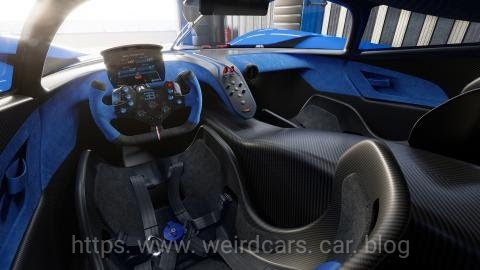
But it’s the diet that Bugatti has put its track racer on that really makes you think. Not since Christian Bale in The Machinist has anyone lost so much chunk for a dedicated role. In total, the Bolide has lost 755kg – the same as throwing an original Mini with a set of dumbells in the boot in the bin. Where weight could be saved, it has. So the driveline was gutted for grams, carbon fibre bodywork was kept to a minimum, any screw or fastening device is made out of titanium, and where possible, 3D printed aerospace titanium alloy was used. Just like the original Type 35 that had a hollow-bored and forged front axle, any weight that could then be scooped out of a component was. This all adds up. The brake calipers for example only weigh 2.4kgs each. The front forged magnesium rims 7.4kgs. The rears, 8.4kgs – meaning even weaklings like us could curl them in the gym. If we went to the gymAerospace alloys that give crazy levels of single-fibre stiffness (350,000 newtons per square millimetre, if you’re counting) are present but also traditional elements that have been honed for purpose. Take the rear frame. It’s made of welded high-strength stainless steel… but is only 1mm thick. There’s also a morphable skin on the intake scoop on the roof which, depending on the situation, will deform to optimise airflow.
In case you hadn’t guessed, downforce is also present. The Bolide has more than any other Bugatti that’s come before. At 198mph, 1,800 kgs of force is being sat on the rear wing and 800kgs at the front. The suspension is rated to take 3.5 tonnes of force – or nearly two Chirons. If that’s not enough to keep you planted to the tarmac, there’s also Michelin racing slicks stickier than a Kellogg’s Fruit Winder that’s been stuck in a lunchbox on a summer’s day. They’re thicc boys too, 340mm on the front axle and 400 millimetres on the rear. Just for context, a boggo Chiron runs 285 mm at the front and 355 mm at the rear. With all this grip, we’re told you can expect up to 2.8g. Or what people in LA call a ‘cheap facelift’.
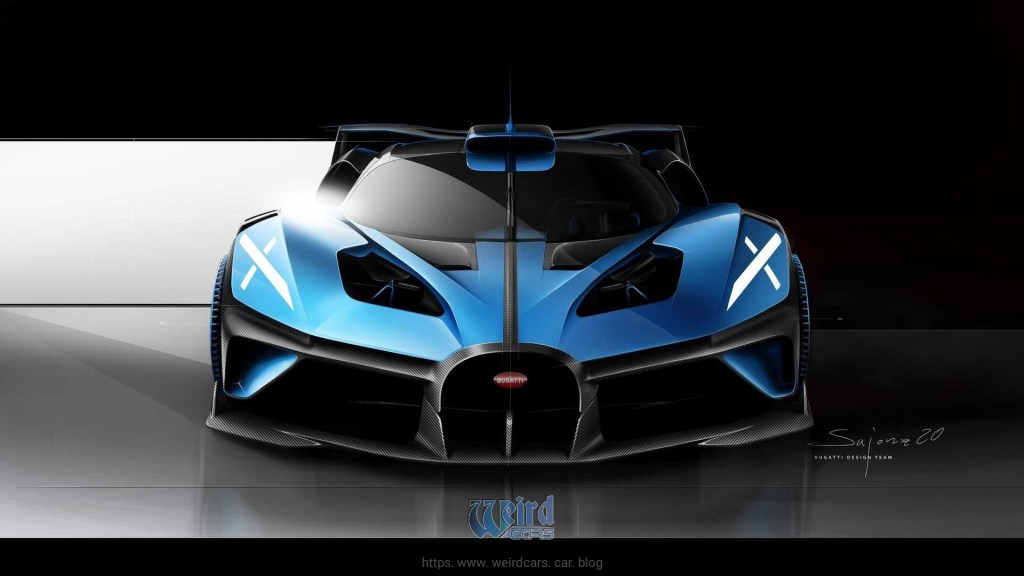
And check out the way it looks! It’s like a cosmic LMP1 car with all that wild, minimalist bare carbon bodywork and extrusions that help deflect air to the right places to keep things cool and/or plunge the thing into the ground. Right at the front you’ve got the iconic horseshoe grille – making it instantly recognisable as a Bugatti. But from there back everything is taught and sweptback as holes punctuate all parts of the car; cutting into the bodywork inboard of the front wheels to release the pressure, holes that become a framework to see the gorgeous front double wishbone pushrod suspension and horizontal dampers.
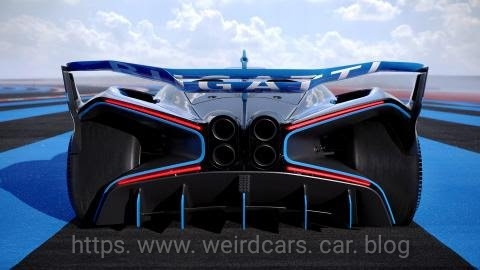
Hopping over the snorkel you’re greeted by a dorsal fin to stabilise the car at high speed that then spreads into an outrageous full-width rear wing assembly. Looking at it from dead behind is a menacing prospect. A giant ‘X’ signature highlighted by LEDs that draw your attention to four double-stacked exhausts and a whopper of a blue-tipped diffuser. As you may have noticed, the ‘X’ shape is used relentlessly throughout the design. This isn’t a happy accident, rather a nod to the Bell X-1 flown by Chuck Yeager in 1947, the first person to break the sound barrier. The good thing about the ‘X’ shape though is that it allows room for more holiness, so you can not only see the rear suspension, but also to act as a gully to channel air efficiently, not too dissimilar from the Lotus Evija.
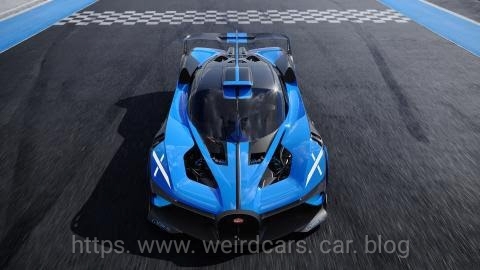
Standing at only 995 millimetres tall (the same height as an original Bugatti Type 35, or just less than those giant Toblerones you used to get in airports depending on your frame of reference), drivers have to slot themselves in through gullwing doors before dropping down into the arse-down-feet-up racing driving position with the pedals moving towards or away from you. Inside there’s just enough room for you and someone to scare senseless. It may not be as luxurious as a standard Chiron but decked out in alcantara and fitted with a dashboard and door pulls, it’s the Ritz in comparison to other race cars. Safe too, with all the features the FIA likes to see: HANS device compatibility, an automatic fire extinguishing system, towing device, pressure refuelling with fuel bladder, central locks for the wheels, lightweight polycarbonate windows, six-point harness system and air jacks for a quick tyre change.
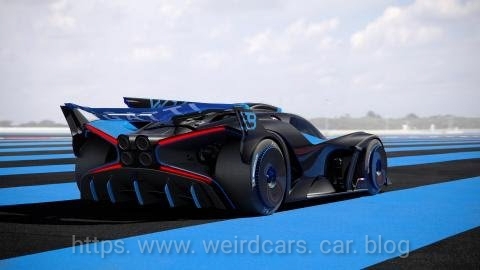
The stats that Bugatti claim for the Bolide are potty in anyone’s books. A 0-311mph-0 time of 33.62 seconds. A Nordschliefe lap just off the Porsche 919 Evo’s record and a Le Mans lap time of 3:07.1, good enough for it to snatch pole at this year’s race by eight seconds. Obviously, these times are all currently simulated, and whether we’ll ever actually see the camouflaged Bugatti Bolide that’s been testing at Paul Ricard driven in anger remains to be seen. But Bugatti has gone and answered the question we’ve all figuratively asked but never thought we’d get answered: what would happen if Bugatti made an extreme track-only, lightweight hypercar? Now we know. But here’s another, what do you think? Let us know in the comments below
Thanks to: TopGear
 Weird Cars